WordPress
The Future of WordPress by 2025
WordPress has come a long way since its launch in 2003 as a simple blogging platform. Today, it powers over 40% of all websites, including some of the world’s most popular sites, such as The New York Times, CNN, and Forbes. But what does the future hold for WordPress, and where is the platform headed by 2025?
In this article, we’ll explore some of the key trends and developments that are shaping the future of WordPress and what they mean for website owners, developers, and users alike.
 WordPress’s dominance as a CMS platform can be attributed to several factors. Firstly, it is a free and open-source platform, meaning anyone can use, modify and distribute it without any cost. This has made it accessible to millions worldwide who can’t afford to pay for expensive proprietary software.
Dominance as a CMS Platform
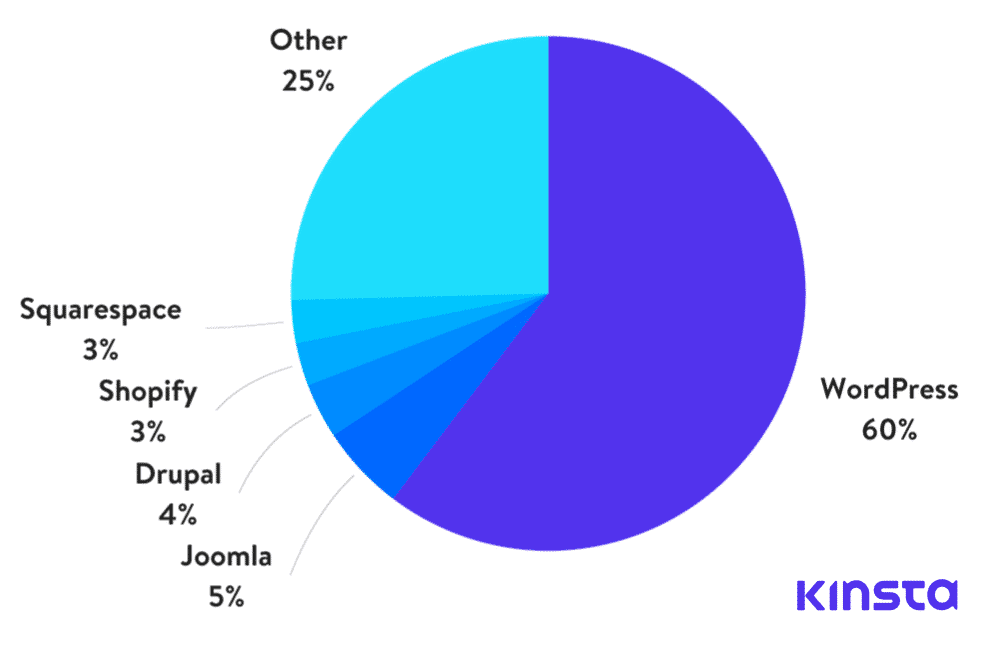
WordPress is one of the most dominant Content Management System (CMS) platforms available today, with a global market share of over 40% of all websites. According to W3Techs, a web technology survey firm, as of April 2023, WordPress powers 42.8% of all websites. This is a staggering number, especially considering that there are over 1.8 billion websites today.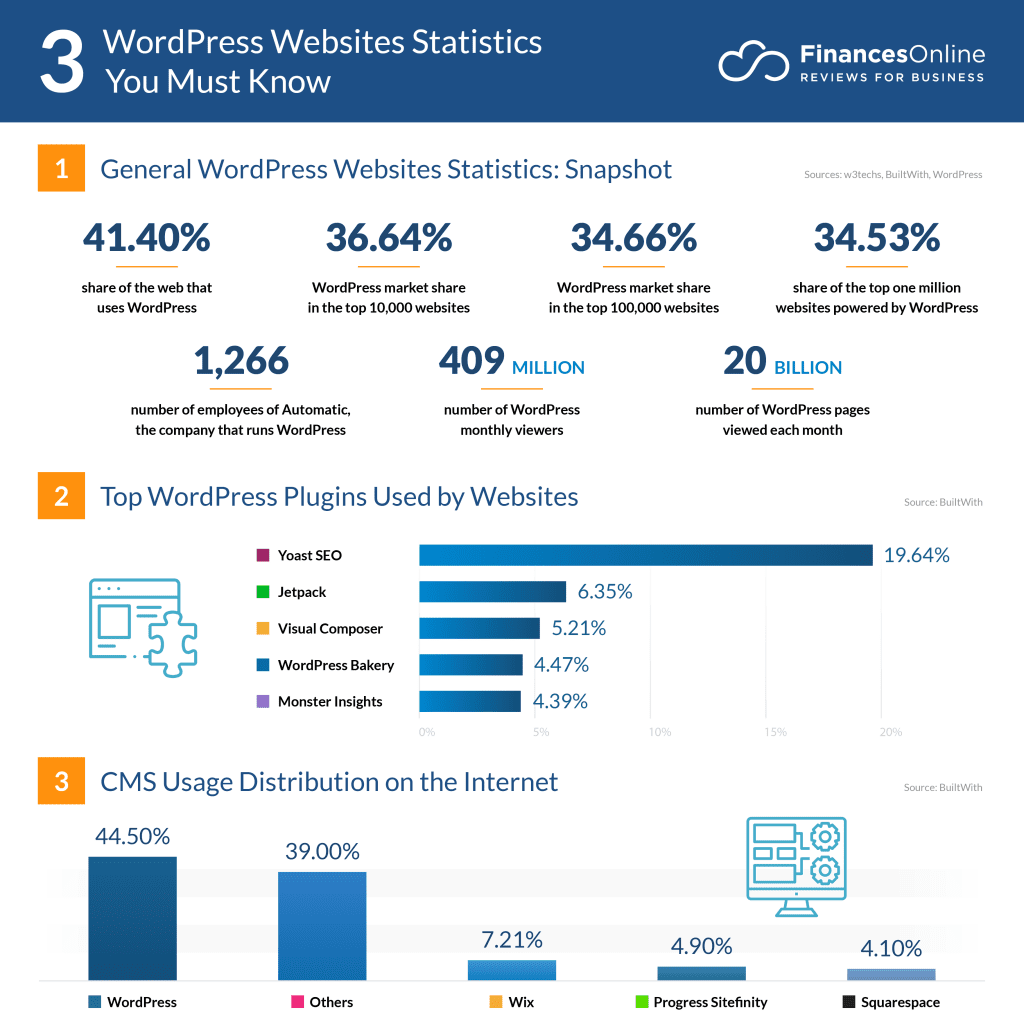 WordPress’s dominance as a CMS platform can be attributed to several factors. Firstly, it is a free and open-source platform, meaning anyone can use, modify and distribute it without any cost. This has made it accessible to millions worldwide who can’t afford to pay for expensive proprietary software.
- WordPress is easy to use and has a low barrier to entry, making it ideal for beginners and non-technical users. It offers a wide range of themes and plugins that can be used to customize the look and functionality of a website without requiring any coding knowledge.
- WordPress has a large and active community of developers, designers, and users who contribute to its development and provide support to others. This community-driven approach has helped WordPress evolve and adapt to the changing needs of its users, making it a versatile and adaptable platform.
- WordPress is SEO-friendly, which means it is designed to help websites rank higher in search engine results pages (SERPs). This has made it popular for businesses and individuals who want to improve their online visibility and attract more site traffic.
WordPress Moving Forward to 2025
WordPress has come a long way since its inception in 2003, and it is still growing and evolving rapidly. As we move forward to 2025, there are several key areas where we can expect to see WordPress continue to develop and innovate.- Continued growth and dominance:
- Increased focus on accessibility:
- Emphasis on speed and performance:
- Greater use of artificial intelligence and machine learning:
- The continued evolution of the block editor:
- Greater emphasis on security:
- The growing importance of mobile: